The AMC Matador is a car model line manufactured and marketed by American Motors Corporation (AMC) across two generations, 1971–1973 (mid-size) and 1974–1978 (full-size), in two-door hardtop (first generation), coupe (second generation), four-door sedan and station wagon body styles.
With its second generation, the Matador became AMC's largest automobile after the 1974 discontinuation of the Ambassador that shared the same platform. Premium trim levels of the second generation Matador coupe were marketed as the Barcelona and Oleg Cassini (after the noted fashion designer) positioning the coupe in the personal luxury segment.
Abroad, Matadors were also marketed under the Rambler marque and were assembled under license, including in Mexico by Vehículos Automotores Mexicanos (VAM) and in Australia with right-hand-drive by Australian Motor Industries (AMI).
In 1974 new passenger car requirements set by NHTSA called for the front and rear passenger car bumpers to have uniform heights, take angle impacts, and sustain 5-mile-per-hour (8 km/h) impacts with no damage. All the 1974 Matadors accomplished this with massive front and rear bumpers mounted on energy absorbing shocks. The sedans and station wagons had them integrated with the bodywork using gap-concealing flexible filler panels.
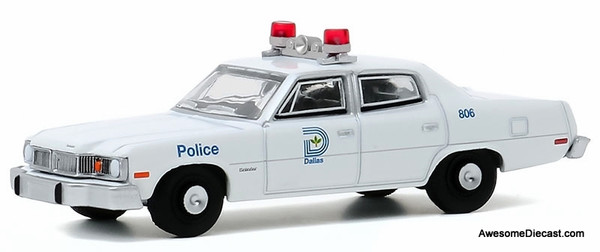
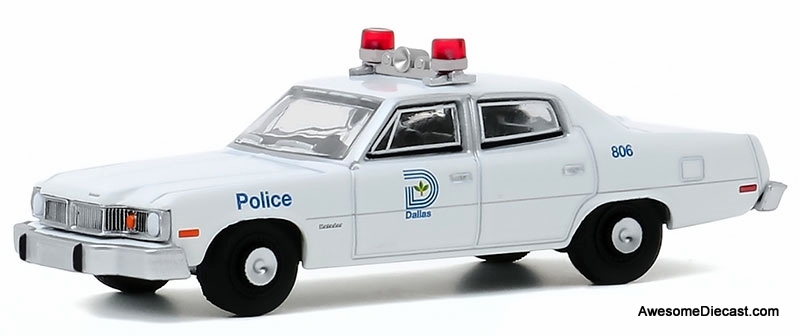
The four-door sedans and wagons had increased overall vehicle length, as well as new front and rear styling. A new front fascia with a hood and grille featured a prominent central protrusion that followed the front bumper shape. Matadors with this front end are sometimes nicknamed "coffin noses". The rear of the sedan was redesigned with the license plate was relocated above the number to the center of the rear panel with new, wider rectangular taillights. The station wagon had redesigned taillamps and a stronger bumper with a central rubber facing.
The interior of all body styles featured an all-new fully padded and safety shaped dashboard with three squared pods for housing the instruments in front of the driver (indicator lights, fuel gauge, and water temperature to the left, 120 mph (190 km/h) speedometer at the center, and an electric clock or fuel economy gauge on the right) as well as a new horizontal radio/sound system design in the center of the dash. The traditional steering wheel horn pad in use since the 1970 Rebel was replaced with a rectangular "soft feel horn bar."
Second generation sedans and station wagons continued over all the model years with only minor trim and equipment changes.
The base model sedans and wagons came with the 258 cu in (4.2 L) I6 with the 3-speed Torque-Command automatic transmission. The 304 cu in (5.0 L) V8 was optional. A two-barrel or four-barrel 360 cu in (5.9 L) was optional as well as a 401 cu in (6.6 L) V8 with dual exhausts. The 401 cu in (6.6 L) V8 became a fleet-only option after 1974.