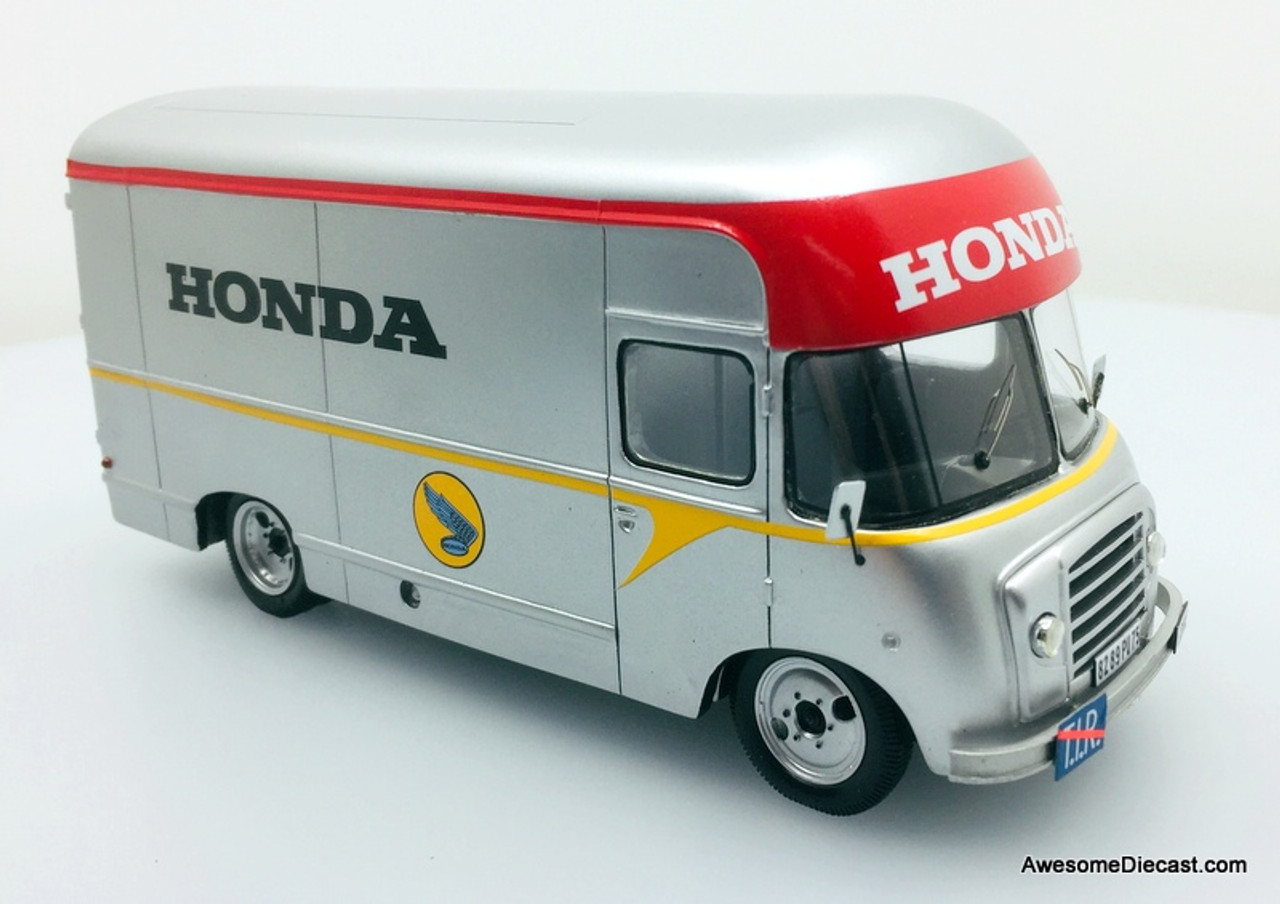
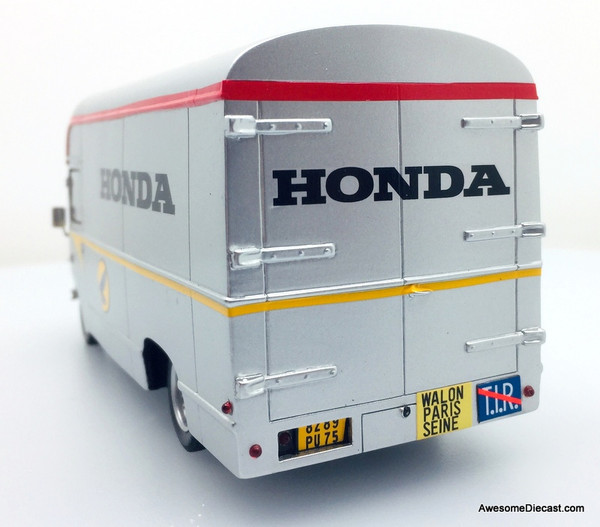
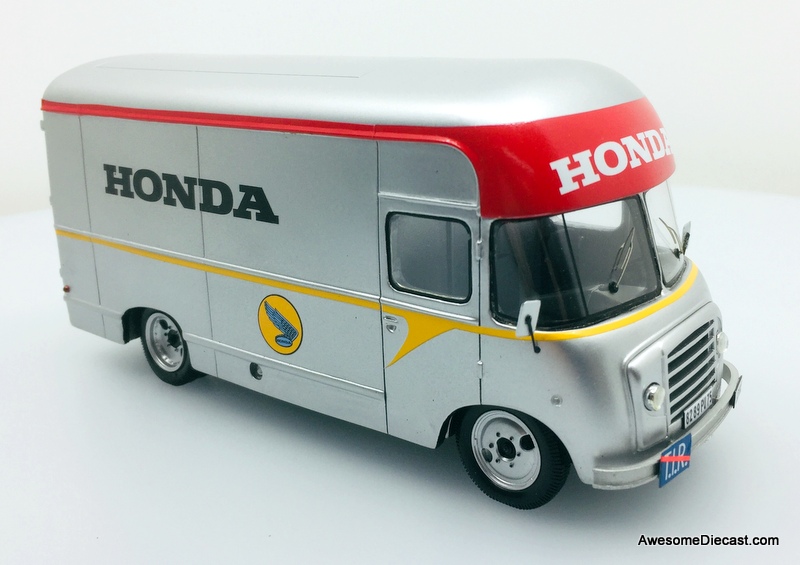
The U23, or Type 23, was a light (2-ton) truck introduced by Citroën in 1935. Although the engine cowling and front body appeared similar to the Citroën Traction Avant's, the U23 had a conventional rear-wheel-drive layout. Production lasted through 1969, and approximately one million were produced.
The truck was powered by a 1911 cc four-cylinder petrol engine, with a 1767 cc four-cylinder Diesel engine made available in 1936.
One major customer was the French military, who ordered large quantities of Type 23s after the declaration of World War II. At the time of the German invasion, more than 12,000 had been delivered in less than ten months. About 6,000 were pressed into German service after the French defeat of June 1940.[
Bus and coach versions, called the Type 23 RU, were introduced in 1941.
The U23 underwent a major restyling in the mid-1950s, giving it a wide horizontal grille that incorporated the headlamps which were previously mounted to the fenders. It was replaced by the Citroën 350 to 850 range, also called Belphégor, which had been introduced in 1964.
Honda has participated in Formula One, as an engine manufacturer and team owner, for various periods since 1964. Honda's involvement in Formula One began with the 1964 season, and in 1965 they achieved their first victory at the Mexican Grand Prix. After further success with John Surtees, Honda withdrew at the end of the 1968 season due to difficulties selling road cars in the United States and Honda driver Jo Schlesser's fatal accident.
Honda returned in 1983 as an engine manufacturer, which started a very successful period for the company. After winning races in 1984 and 1985, Honda won the Constructors' Championship every year between 1986 and 1991 with Williams and McLaren, and the Drivers' Championship every year from 1987 to 1991 with Nelson Piquet, Ayrton Senna and Alain Prost. Honda withdrew at the end of 1992 after having achieved their targets and suffering the burst of the Japanese asset price bubble